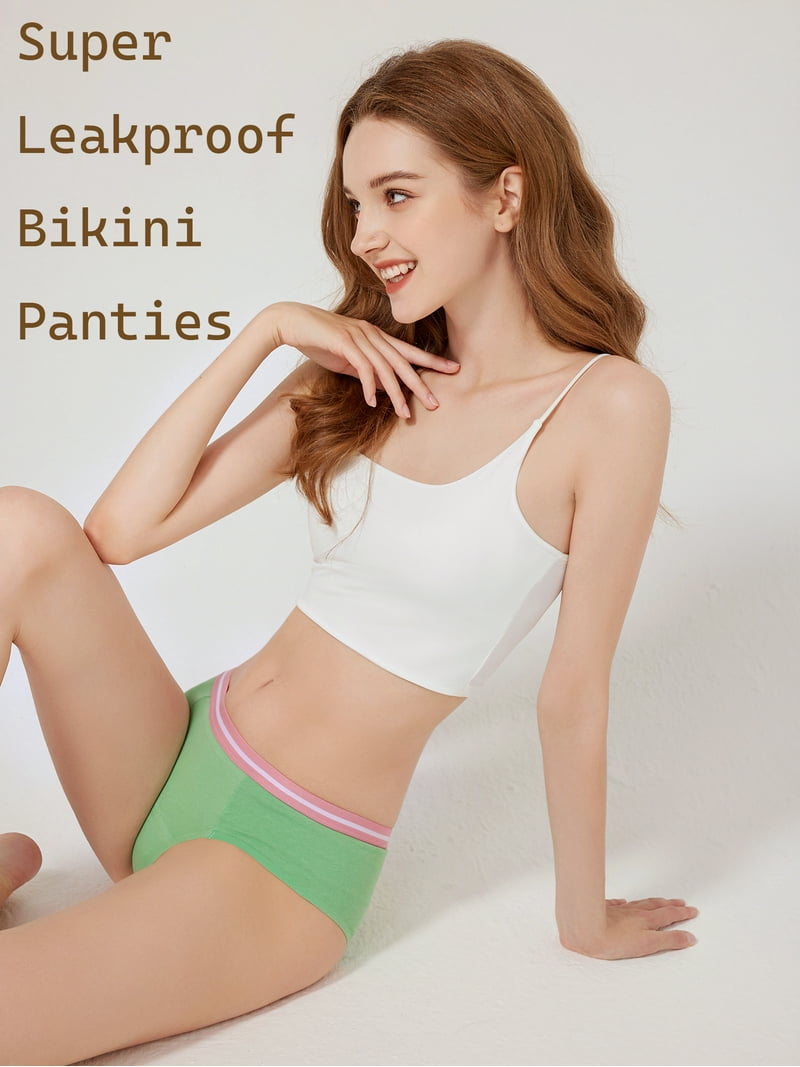
A period underwear manufacturer creates comfortable fit through a combination of body measurement research, fabric engineering, absorbent layer design, and strict garment testing. Modern manufacturers use stretch fabrics, ergonomic patterns, and moisture-control materials to improve comfort for different body shapes. Studies in apparel engineering show that fabric elasticity, seam placement, and waistband pressure can affect wearing comfort by more than 30%. A reliable manufacturer focuses on balancing protection, softness, breathability, and durability through every production stage.
Comfort starts with understanding how the human body moves. Period underwear is worn for many hours, often during sleep, work, exercise, and daily activities, so manufacturers need to design products that remain stable without creating pressure. Unlike regular underwear, period underwear must include extra absorbent layers while keeping the same flexible feeling.
Many manufacturers collect body measurement data from thousands of users to improve sizing accuracy. According to apparel research published between 2018 and 2024, body shape differences within the same clothing size can reach several centimeters around the waist, hips, and thighs. This information helps a professional period underwear manufacturer develop patterns that fit different body structures instead of relying only on traditional size charts.
A comfortable fit depends on how fabric tension, body movement, and garment structure work together during real daily use.
The waistband is one of the first areas manufacturers evaluate because it directly touches sensitive skin. A waistband that is too tight may leave pressure marks, while one that lacks elasticity may allow the underwear to shift during movement.
Modern designs often use elastic fibers mixed with nylon, polyester, cotton, or regenerated cellulose materials. These combinations allow the waistband to stretch and recover repeatedly. Some textile tests measure elasticity recovery after 50 to 100 stretching cycles to confirm whether the garment maintains its original shape.
Material selection affects comfort throughout the entire product. Period underwear usually contains multiple layers, and each layer has a specific function.
| Layer | Material feature | Purpose |
|---|---|---|
| Inner layer | Soft moisture-wicking fabric | Keeps skin surface dry |
| Absorbent layer | High-capacity fiber structure | Stores menstrual fluid |
| Barrier layer | Water-resistant membrane | Reduces leakage risk |
| Outer layer | Breathable textile | Improves daily comfort |
Manufacturers must balance absorbency and thickness. A thicker absorbent section may hold more liquid, but excessive thickness can reduce flexibility. Textile developers often adjust fiber density and layer arrangement to create thinner products without reducing protection.
Fabric technology has improved significantly since reusable period underwear became commercially available. Between 2019 and 2024, many brands introduced microfiber blends, modal fabrics, bamboo-based fibers, and recycled textile options. Some absorbent materials can hold several times their own weight in liquid while maintaining softness after repeated washing.
The absorbent area requires careful placement because menstrual flow patterns are not identical for every user. Manufacturers usually extend the absorbent panel from the front area toward the back area, especially for overnight products.
Product testing often examines liquid absorption speed, holding capacity, and leakage resistance under different wearing positions.
Laboratory evaluations may include applying controlled liquid volumes and measuring absorption time. Some industry testing methods evaluate products after multiple washing cycles because reusable underwear is expected to maintain performance for years. A product designed for regular use may need to withstand more than 50 wash cycles while keeping acceptable fabric strength and absorbency.
Fit design also depends on movement analysis. The human body changes shape when sitting, walking, stretching, or sleeping. If the garment pattern does not account for these movements, users may experience shifting fabric or reduced coverage.
Manufacturers commonly adjust several areas:
-
Curved waist construction to follow natural body shape.
-
Four-way stretch fabric to support movement.
-
Wider absorbent panels for improved coverage.
-
Softer leg openings to reduce skin friction.
A 2021 textile comfort study involving more than 100 participants showed that pressure distribution and fabric softness strongly influenced overall underwear satisfaction. Products with lower pressure around the waist and thigh areas received higher comfort ratings.
Seam construction also affects the wearing experience. Traditional seams may create raised areas that rub against skin during long periods of use. Many modern manufacturers use flat seams, bonded edges, or seamless knitting technologies to reduce contact irritation.
Production accuracy is important because small differences in stitching, cutting, or fabric tension can change the final fit. Quality-focused factories inspect fabric before production and check finished products through multiple stages.
Common quality checks include:
| Test | Measurement |
|---|---|
| Absorption test | Liquid capacity and absorption speed |
| Stretch test | Elastic recovery after repeated use |
| Wash durability test | Performance after cleaning cycles |
| Seam inspection | Stitch strength and comfort |
| Size inspection | Pattern accuracy |
Manufacturing standards have continued improving as consumer expectations increase. Since 2020, reusable menstrual products have gained more attention in North America and Europe, with many consumers looking for products that reduce disposable waste while maintaining comfort.
Environmental considerations also influence product development. Disposable menstrual products are used billions of times every year worldwide, creating demand for reusable alternatives. Period underwear manufacturers increasingly explore recycled fibers, low-impact dyes, and longer-lasting materials.
However, sustainability cannot replace wearing comfort. A reusable product must remain soft, breathable, and reliable after repeated use. Manufacturers therefore test both environmental performance and physical durability before large-scale production.
Supply chain management affects product consistency. A manufacturer needs stable fabric suppliers, skilled sewing processes, and accurate quality control systems. Differences in fabric batches or production settings may influence absorbency and softness.
Many established manufacturers use digital production records to monitor fabric sources, production dates, and inspection results. This approach helps maintain consistent quality across different product batches.
Consumer feedback is another part of product improvement. Brands collect information about fit preferences, absorbency expectations, and washing experiences. For example, if many users report movement around the leg area, designers may modify elastic strength or adjust pattern dimensions.
Product development usually includes several stages:
| Stage | Main work |
|---|---|
| Research | Collect body and usage information |
| Material selection | Compare fabrics and absorbent structures |
| Prototype creation | Produce trial samples |
| Wear testing | Collect user feedback |
| Production | Manufacture final products |
By 2025, the reusable menstrual apparel market had continued expanding, with manufacturers investing more resources into fabric innovation and ergonomic design. The focus has moved from simply adding absorbent layers to creating underwear that feels similar to ordinary underwear during daily activities.
Comfortable period underwear is created through precise pattern design, suitable materials, and repeated performance testing. A professional manufacturer combines textile knowledge with user feedback to produce garments that provide protection while maintaining softness, flexibility, and long-term wear comfort.